
PROJECTS - MAINTENANCE WORK
Hulcher Completes Demolition of Sand Tower & Oil Filling Station
Hulcher Completes Demolition of Sand Tower & Oil Filling Station
Scope:
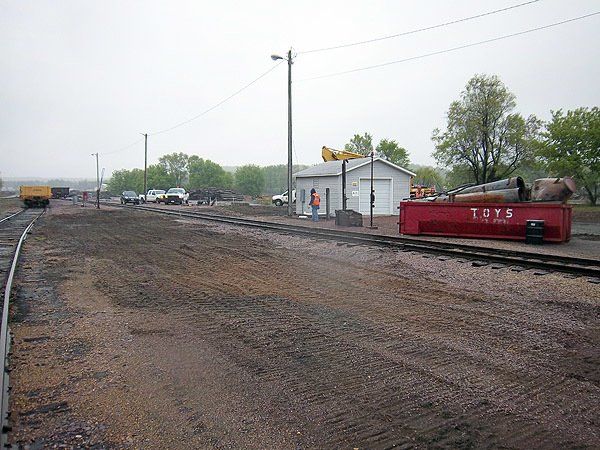
The railroad’s sand tower and adjacent oil filling station were no longer being used and had become an “eye sore” for the local residents. Rather than incurring the expense to maintain the building and tower, the railroad decided the best option was to demolish them. After a competitive bidding process, Hulcher Services was chosen for this project.
Solution:
Hulcher used a Caterpillar® excavator, cutting torch and jack hammer with air compressor for the project. The sand tower was brought to the ground, dismantled and removed from the premises for recycling. Hulcher also managed the permitting and proper handling and disposal of asbestos in the filling station. The asbestos-laden materials were disposed of safely, effectively and in compliance with all regulatory requirements.*
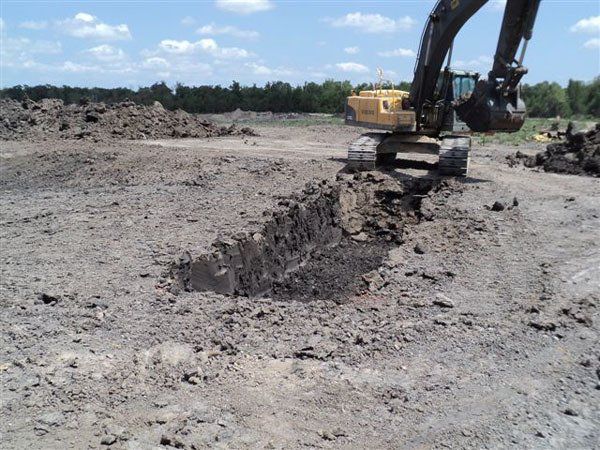
A unique component of the filling station demolition involved removal of a 3,000 gallon storage tank, emptying 800 gallons of oil from the tank, then hauling the oil to another facility for reuse.* After all materials were removed from the site, both areas were cleaned and regraded.
Outcome:
The railroad was anxious to have the project completed quickly; Hulcher demoed the structures in three working days. Through the resourceful salvaging of various building materials like the oil tank, Hulcher minimized disposal costs and the amount of materials sent to the landfill. Hulcher exceeded the railroad’s expectations with their pricing, quality of work and speed of completion. Based on this experience, they are coordinating with Hulcher to do more demo work in the region.
* Analysis, containment, treatment, transport, and disposal of material are each conducted in full compliance with relevant federal and applicable state laws/regulations (licensing, permitting, procedural and operational protocol) which sometimes requires the participation of fellow contractors engaged by the customer and/or Hulcher subcontractors.
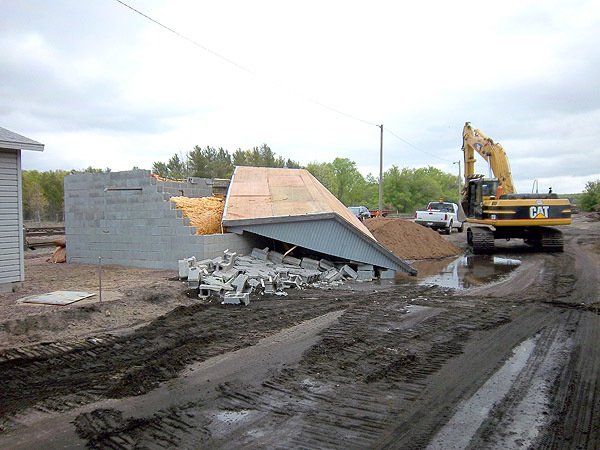
Before
Photo by: John Doe
Button
RELATED PROJECTS
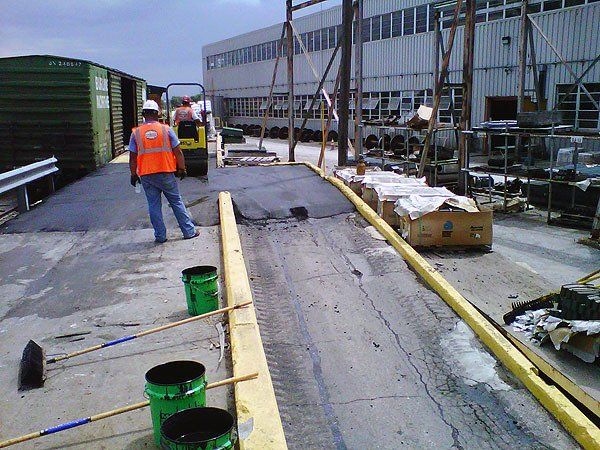
Hulcher Services Refinishes Ramp and Parking Lot With Fast Asphalt Work
The diesel shop’s loading dock allowed forklifts to bring in palletized shipments of heavy cargo such as traction motors from semi trailers to the storage sheds. Unfortunately, the shop’s dock ramp had a rough, uneven surface that added to wear and tear on forklifts and increased the risk for mishaps during transport.
Hulcher Completes Demolition of Sand Tower and Oil Filling Station
The railroad’s sand tower and adjacent oil filling station were no longer being used and had become an “eye sore” for the local residents. Rather than incurring the expense to maintain the building and tower, the railroad decided the best option was to demolish them. After a competitive bidding process, Hulcher Services was chosen for this project.